


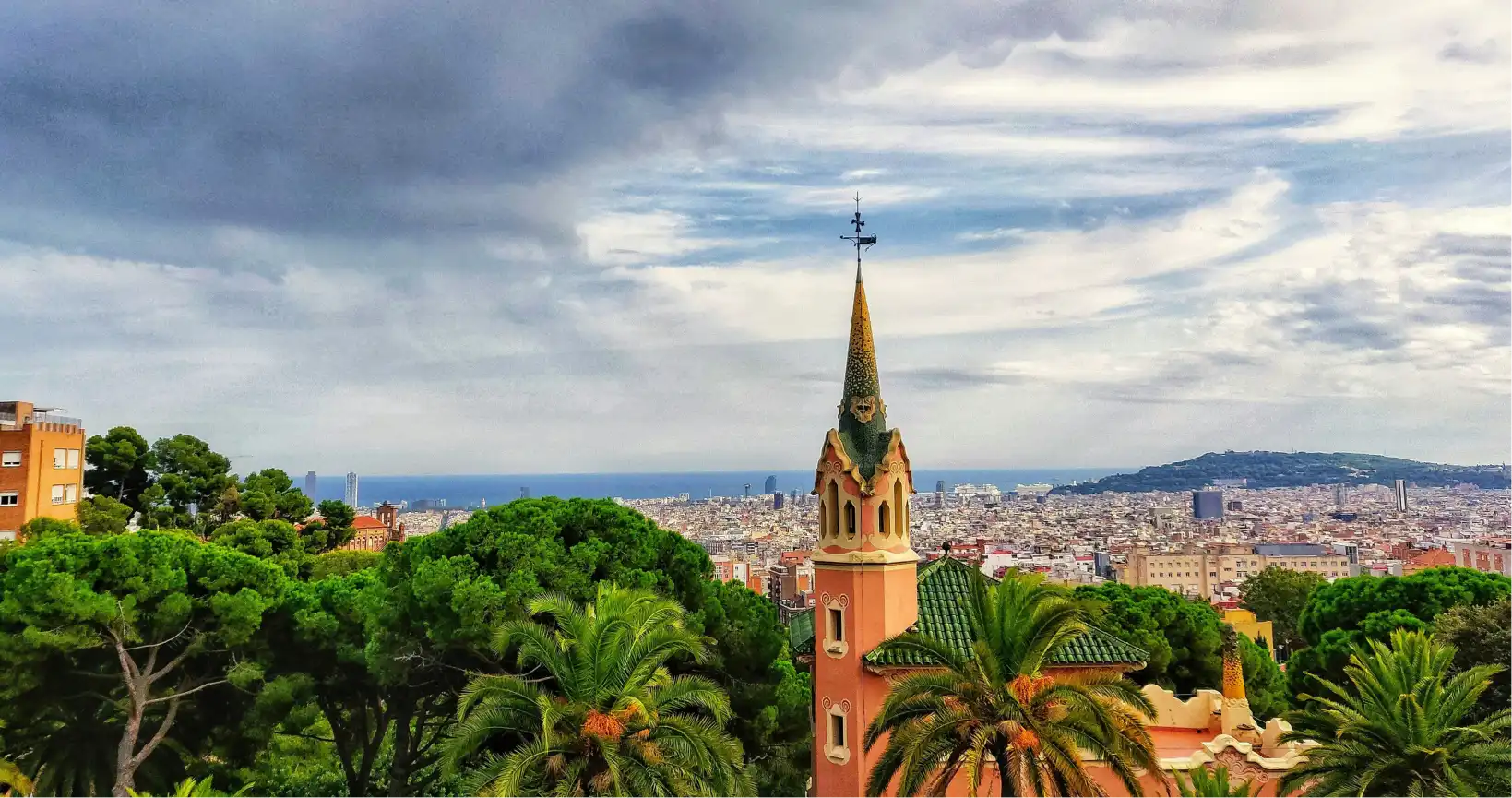
Barcelona is often presented through a familiar set of images: wide avenues, famous buildings, sea views, and crowded landmarks. These places matter, but they do not fully explain why the city leaves such a lasting impression. The real depth of Barcelona appears when the trip moves beyond the most photographed points and into spaces where daily life, local memory, and urban contrast become visible. A meaningful visit is shaped not only by what is famous, but by what connects the city’s public image to its lived reality.
That is why the most memorable side of Barcelona often emerges between planned stops, when a walk leads from a quiet square to a local market, from an older neighborhood street to a hillside view, or from a cultural site to an unexpected conversation about music, food, football, or even something as unrelated as wonderland casino. The city becomes special not when it confirms expectations, but when it begins to exceed them through rhythm, detail, and atmosphere.
The Real Barcelona Begins Outside the Main Route
Many first-time visitors build their trip around a standard route. This usually includes major architectural sites, central promenades, and waterfront areas. These places are important, but they can also create a narrow version of the city. Barcelona is more than a collection of icons. It is a place of layers: industrial memory, neighborhood identity, political history, migration, local rituals, and constant negotiation between tourism and everyday life.
To feel this complexity, it is necessary to step away from the most obvious circuit. Neighborhoods such as Gràcia, Poble-sec, Sant Antoni, and parts of Poblenou offer a different pace. Here the city is not arranged around the visitor’s gaze. Streets are still active, but the meaning of the space changes. People meet in local squares, children play near cafés, and daily routines shape the mood of the area. These districts reveal how Barcelona functions when it is not performing for the camera.
This shift matters because travel becomes more personal when the city stops behaving like a backdrop and begins to feel like a living structure.
Gràcia Shows the Value of Urban Intimacy
One of the places that makes Barcelona feel truly special is Gràcia. It does not rely on grand scale. Its strength comes from proportion, social life, and human rhythm. The neighborhood is built around squares that work as community centers rather than decorative spaces. People gather there in a natural way, and the urban layout supports a form of life that feels connected and local.
Walking through Gràcia helps explain why some parts of Barcelona stay in memory longer than the monumental center. The area encourages slower observation. Small bookstores, workshops, bars, corner bakeries, and shaded streets create a form of continuity that larger tourist zones often lose. The neighborhood invites the visitor to notice how city life is sustained in ordinary settings.
This is one of the reasons Barcelona becomes special beyond postcards: its most meaningful spaces are often not dramatic. They are coherent.
Montjuïc Offers More Than a View
Many visitors go to Montjuïc for the panorama, but the hill deserves more attention than a brief stop for photos. It is one of the few places where landscape, cultural institutions, public space, and historical memory come together in a concentrated form. The experience of moving through Montjuïc is different from moving through the center. There is more silence, more distance, and more room to think about the city as a whole.
The value of Montjuïc lies in perspective. From above, Barcelona becomes easier to read. The port, the grid, the hills, and the relationship between the sea and the built environment reveal a city shaped by planning, geography, and pressure. At the same time, the area carries traces of exhibitions, political events, sport, and urban transformation. It is not simply scenic. It is interpretive.
A trip becomes richer when a place offers not just beauty, but context. Montjuïc does exactly that.
Markets and Side Streets Reveal the City’s Real Texture
Barcelona is often discussed through architecture, but its markets and side streets are just as important. They show how the city organizes daily exchange. A market is not only a place to eat or shop. It is a social system where class, routine, local taste, and neighborhood structure become visible.
Smaller markets and less central streets often reveal more than heavily visited destinations. In these places, the city feels less staged. One can observe how residents move, how space is used, and how urban identity is expressed through food, language, and interaction. Even a short visit to a less publicized market can say more about the city than an hour spent in a crowded landmark.
This matters because travel becomes special when it includes forms of understanding that cannot be captured in a single image.
The Sea Matters Most Where the Pace Slows Down
Barcelona’s relationship with the sea is one of its defining features, but this relationship is easier to appreciate away from the busiest beach zones. In quieter stretches, the coastline becomes more than a tourist setting. It becomes part of the city’s structure of movement, rest, and reflection.
Walking the waterfront at the right time of day changes the meaning of the trip. Early morning or late evening often reveals a more balanced atmosphere. The city feels less performative and more open. The sea then works not as a spectacle, but as a counterweight to urban intensity. This contrast is one reason Barcelona leaves such a strong impression: it combines density with release.
The Special Side of Barcelona Is Built From Contrast
What makes Barcelona truly memorable is not one single site. It is the tension between different kinds of spaces. A trip may move from a dense old street to an ordered avenue, from a neighborhood square to a hillside garden, from a market to the sea. These transitions create emotional range. They prevent the city from feeling flat or predictable.
Barcelona also becomes more interesting when the visitor pays attention to its contradictions. It is open and crowded, local and global, historic and constantly changing. These tensions are not flaws. They are part of the city’s character. They make the experience feel less like consumption and more like discovery.
Conclusion
Barcelona beyond postcards is a city of neighborhoods, transitions, and layers that only become visible when the trip expands beyond famous images. The places that make the journey truly special are often those that reveal how the city lives rather than how it advertises itself. Gràcia, Montjuïc, local markets, side streets, and quieter coastal moments all help build this deeper understanding.
A memorable journey is rarely defined by how many landmarks were checked off. It is defined by whether the city began to feel real. In Barcelona, that reality appears in the spaces between the postcard views. That is where the trip becomes not only enjoyable, but meaningful.
