


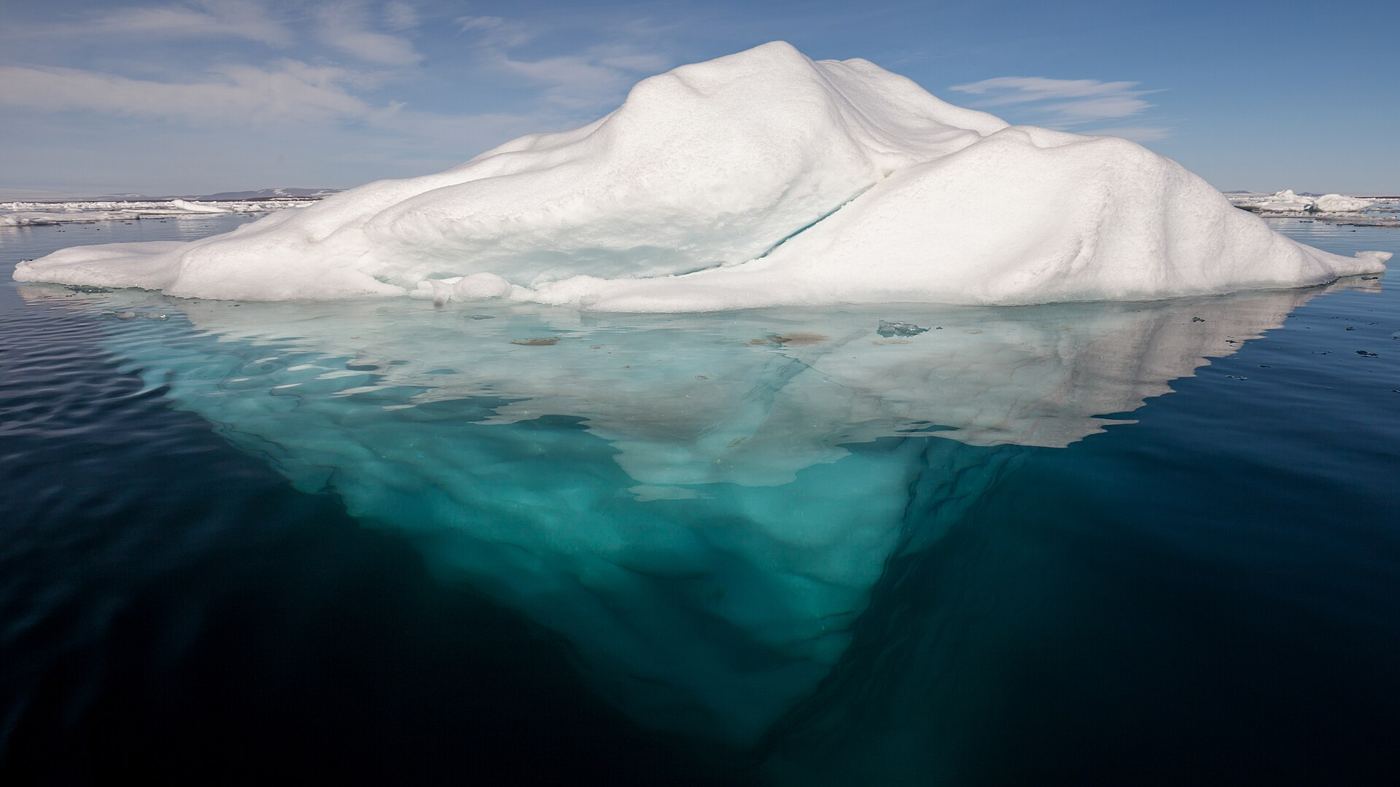
In the far north, sea ice is not an empty white surface but a working habitat, and the wildlife of the Arctic is built around its seasonal rhythm. Polar bears travel the ice to hunt seals at breathing holes, seals rest and raise pups on stable floes, and walruses haul out between feeding dives. Beneath the ice, algae growing on its underside feed tiny crustaceans, which in turn feed fish, birds and marine mammals. When the ice forms late, breaks up early or grows too thin, that entire chain is squeezed, and animals must travel farther and work harder for the same food during the long northern winter months ahead. For northern ecosystems, then, the condition of a single season’s ice can echo through food webs for years afterwards, shaping breeding success and survival alike.
What the Evidence Shows
Biologists monitoring northern populations say the effects appear unevenly, with strong ice years giving many species a welcome breathing space. They combine satellite records with observations from northern communities, whose hunters read ice conditions daily and notice changes in animal behaviour early. Protecting habitat in a region governed by ice means thinking in seasons: safe travel routes, reliable pupping floes and feeding areas all depend on ice arriving and lasting at the right times. Researchers caution that wildlife can adapt to some variability, as they always have, but rapid shifts in the ice season test those limits. Long-term monitoring remains essential to separate a difficult year from a lasting change. The coming seasons of observation, gathered patiently across many communities and research stations, will show which species are coping and which need the most urgent attention. Reporting and analysis from sources such as NASA track the same developments, and specialists following sea ice as wildlife habitat say the direction is now consistent across independent lines of evidence.
The Wider Context
Funding bodies are watching sea ice as wildlife habitat closely because the work sits at the junction of basic curiosity and practical return. Grant panels increasingly ask for a path from discovery to application, while researchers push back that the most valuable uses of fundamental science are rarely the ones written into the original proposal. The tension is productive when both sides stay honest about timescales.
What Happens Next
The long view on sea ice as wildlife habitat is that fields advance by accumulation rather than by single announcements. This result adds a solid, checkable piece to a structure many teams are building, and its authors have shared their data so the piece can be tested from every side. That is how the picture eventually becomes reliable enough to act on. You can follow related developments in our coverage of science.
It is also worth remembering how quickly the picture in this area has changed before. Positions that looked settled a few years ago have been revised as new data arrived, and the same humility is appropriate now. The strongest coverage of this subject, and the most useful advice, tends to come from sources that update their views openly when the facts move, rather than defending an earlier position long after it has stopped fitting the evidence available.
