

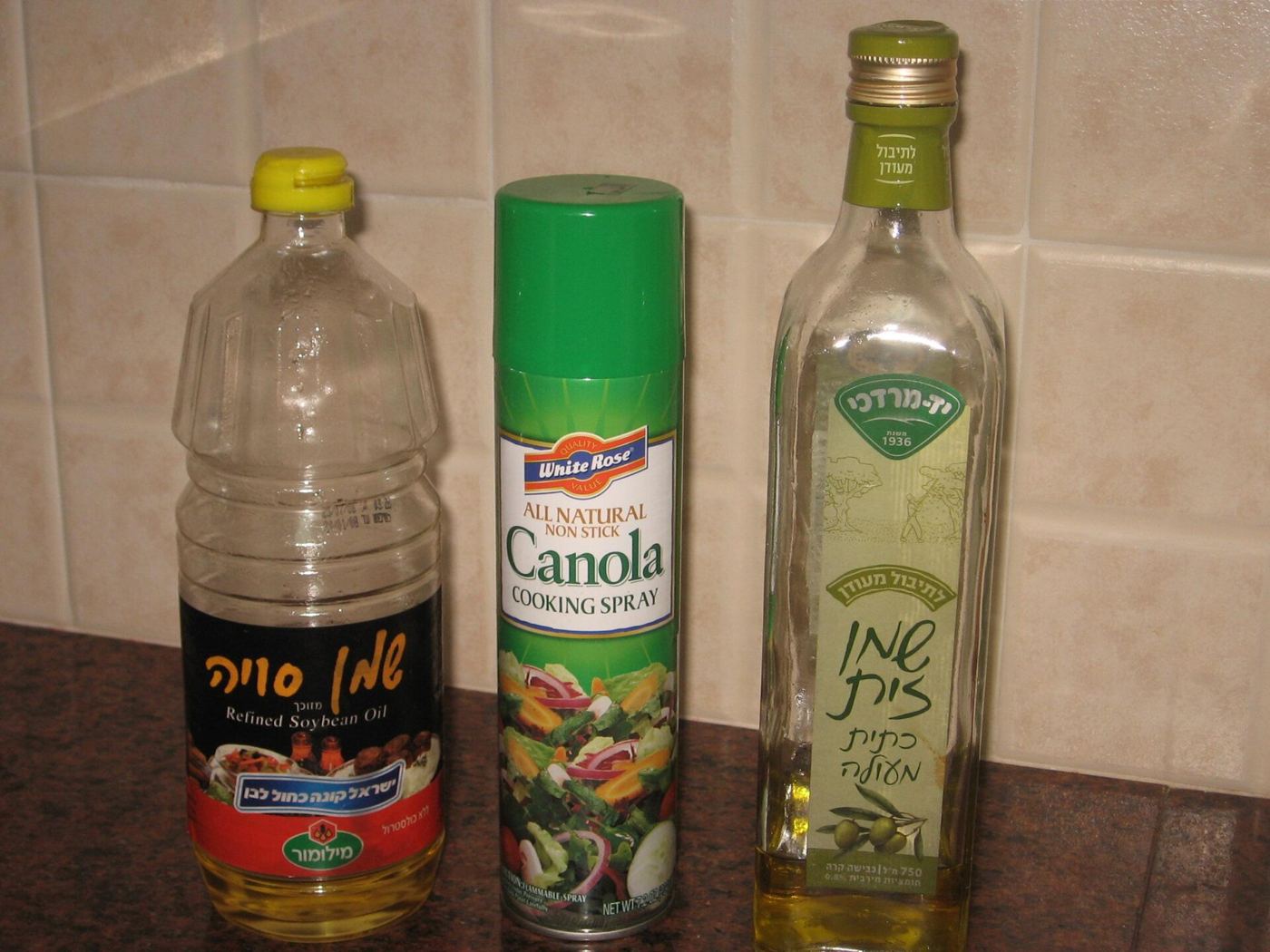
Is cooking oil really harmful? It is a question many households ask, and doctors say the answer depends less on the oil itself than on how it is chosen, stored and used. A doctor explaining the issue this week set out five things consumers should check before buying and using cooking oil: the type of oil, its smoke point, how it has been stored, whether it has been reused, and its expiry date. Oils heated past their smoke point break down and can produce harmful compounds, while oil kept in sunlight or near heat goes rancid faster. Reusing oil again and again, as many takeaways and households do, concentrates those breakdown products. Some oils, such as rapeseed and sunflower, cope better with high heat, while delicate oils are best kept for salads and low-heat cooking.
What the Evidence Shows
The practical advice is straightforward. Choose an oil suited to the cooking method: stable oils with higher smoke points for frying, and flavourful oils such as extra virgin olive oil for dressings and gentle cooking. Store bottles in a cool, dark cupboard with the lid on, and throw away oil that smells stale or looks cloudy. Avoid reusing frying oil many times, and never pour used oil down the drain. Above all, doctors say, quantity matters: even a healthy oil adds many calories in a small amount, so measuring rather than pouring freely keeps meals lighter. Used sensibly, cooking oil is a normal part of a healthy diet. Labels can help shoppers choose, since they show the smoke point and whether the oil is refined or unrefined, which affects how it behaves in a hot pan. Reporting and analysis from sources such as National Institutes of Health track the same developments, and specialists following the five checks for cooking oil safety say the direction is now consistent across independent lines of evidence.
The Wider Context
The wider context is a health system trying to move from treating illness late to preventing it early, against budgets that reward the opposite. Evidence around the five checks for cooking oil safety is being weighed by guideline committees that ask two questions in order: does it work, and can ordinary services actually deliver it at scale. Many good ideas pass the first test and stall on the second.
What Happens Next
What happens next for the five checks for cooking oil safety depends on the slow machinery of guidelines, funding and training catching up with the evidence. Patients asking about it today should expect honest answers that include uncertainty, and clinicians say a service that explains what is not yet known earns more trust than one that oversells. The research pipeline, at least, is moving in the right direction. You can follow related developments in our coverage of health.
None of this will be settled by a single announcement, study or product launch. The pattern to watch is accumulation: independent confirmations, honest reporting of failures and steady improvement in the underlying numbers. Readers who follow those signals, rather than the loudest claim of the week, will understand this subject better than most of the commentary surrounding it suggests is possible.
