


The digital revolution has changed the way people communicate, conduct business, and manage financial activities. Online banking, digital payments, cloud services, and e-commerce platforms have made daily tasks faster and more prozone cc convenient. However, this increased dependence on technology has also created new cybersecurity challenges.
Data theft has become one of the most significant threats in the modern digital environment. Cybercriminals continuously search for weaknesses in systems to access valuable information, including personal details, payment data, and account credentials. Once stolen, this information can create long-term risks for individuals, businesses, and financial institutions.
In cybersecurity discussions, Prozone CC is a name associated with underground carding activities and the illegal exchange of compromised payment information. While such platforms represent unlawful activity and should never be accessed or supported, they provide important lessons about the dangers of poor security practices and the importance of protecting digital information.
Understanding the connection between data theft, online breaches, and digital risks helps organizations and individuals develop stronger defenses against evolving cyber threats.
The Growing Importance of Data Security
Data has become one of the most valuable assets in the digital economy. Businesses collect customer information to provide services, process payments, and improve user experiences. Financial institutions manage sensitive records that require strong protection.
However, the same information that helps businesses operate efficiently can become a target for cybercriminals. Stolen data may be used for fraud, identity theft, account compromise, and other malicious activities.
The increasing number of online services means that protecting information is no longer only a technical issue. It has become a critical responsibility for businesses, employees, and consumers.
Understanding the Risks Behind Underground Data Markets
Underground cybercrime networks demonstrate how stolen information can become part of a larger criminal ecosystem. These networks may involve individuals who obtain data through illegal methods, groups that distribute compromised information, and criminals who attempt to misuse it.
Platforms associated with carding activities highlight a major cybersecurity concern: once information is stolen, it can continue creating risks even after the original breach has been discovered.
Cybersecurity experts analyze these activities to understand attacker behavior, identify new threats, and improve defensive strategies. The goal is to learn from these risks and create stronger systems that protect sensitive information.
How Data Theft Happens
Phishing and Social Engineering
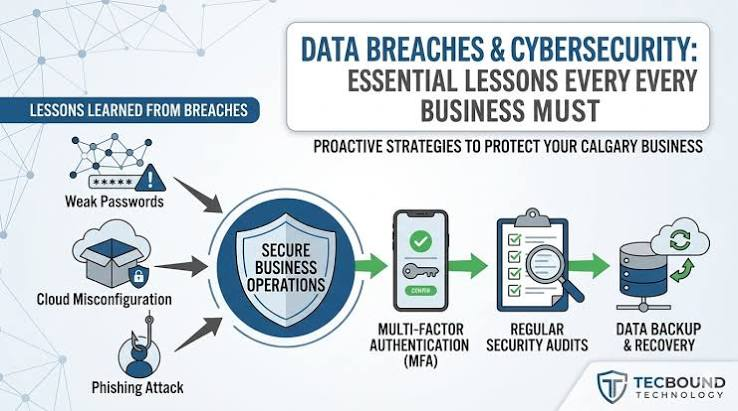
One of the most common causes of data theft is phishing. Cybercriminals create fake emails, messages, or websites designed to look like legitimate services.
These attacks often attempt to trick users into revealing passwords, payment information, or personal details. Instead of relying only on technical weaknesses, phishing attacks exploit human trust and decision-making.
The best defense against phishing is awareness. Users should carefully examine unexpected messages, avoid suspicious links, and verify requests for sensitive information.
Malware Attacks
Malware is another major threat to digital security. Malicious programs can infect devices and collect sensitive information without the user’s knowledge.
Cybercriminals may use malware to access accounts, steal credentials, or monitor activity. Keeping software updated, using security solutions, and downloading files only from trusted sources can reduce these risks.
Data Breaches
A data breach occurs when unauthorized individuals gain access to protected information. Businesses may experience breaches because of weak security controls, software vulnerabilities, poor access management, or targeted attacks.
Large-scale breaches can expose thousands or millions of records, affecting both organizations and customers.
Weak Password Protection
Poor password practices continue to contribute to many security incidents. Using simple passwords or repeating the same password across multiple accounts increases vulnerability.
Strong, unique passwords combined with multi-factor authentication provide better protection against unauthorized access.
Lessons Businesses Can Learn From Online Breaches
Security Must Be a Continuous Process
One of the biggest lessons from major data breaches is that cybersecurity cannot be treated as a one-time project. Threats continue changing, and organizations must regularly improve their defenses.
Businesses should conduct security assessments, update systems, monitor networks, and review access controls to reduce risks.
Protect Data at Every Stage
Sensitive information requires protection throughout its entire lifecycle. Organizations must secure data when it is collected, stored, transferred, and processed.
Encryption, secure storage systems, and strict access controls help prevent unauthorized exposure.
Employees Are Part of the Security Strategy
Technology alone cannot prevent every cyberattack. Employees play a major role in maintaining security.
Regular cybersecurity training helps staff recognize suspicious activity, avoid phishing attempts, and follow safe information-handling practices.
A security-aware workforce can prevent many common mistakes that lead to data breaches.
Prepare for Security Incidents
Even organizations with strong security measures may experience attacks. Having an effective incident response plan helps reduce damage and speed up recovery.
A good response plan includes identifying threats, containing incidents, restoring systems, and communicating clearly with affected users.
The Impact of Data Breaches on Consumers
Consumers are often the most affected when personal information is exposed. A breach may lead to unauthorized transactions, identity theft attempts, and concerns about privacy.
Financial consequences are only one part of the problem. Victims may also experience stress while managing compromised accounts and taking steps to secure their information.
Consumers can reduce their risks by practicing good cybersecurity habits, such as using strong passwords, enabling multi-factor authentication, and monitoring account activity.
The Role of Technology in Preventing Digital Risks
Modern cybersecurity relies on advanced technologies to detect and prevent threats. Artificial intelligence and machine learning are increasingly used to identify suspicious activity and analyze large amounts of data.
Financial institutions and businesses use automated systems to detect unusual transactions, monitor user behavior, and respond quickly to potential threats.
Other security technologies, including encryption, biometric authentication, and tokenization, are also helping protect sensitive information.
However, technology must be combined with strong policies and responsible user behavior to create effective security.
Building a Strong Digital Security Culture
Cybersecurity is most effective when it becomes part of an organization’s culture. Employees, managers, and customers should understand their role in protecting digital information.
Businesses should encourage security awareness, promote responsible data handling, and create clear procedures for responding to threats.
Consumers should remain informed about common cyber risks and make security a regular part of their online activities.
A strong security culture helps reduce vulnerabilities and creates a more resilient digital environment.
The Future of Data Protection
As digital technology continues advancing, cybersecurity challenges will continue evolving. The growth of artificial intelligence, cloud computing, mobile applications, and connected devices will create both opportunities and new risks.
Future security strategies will likely focus on stronger identity verification, automated threat detection, improved privacy controls, and advanced encryption methods.
Organizations that invest in cybersecurity today will be better prepared to handle tomorrow’s challenges.
Conclusion
The lessons learned from Prozone CC and online breaches highlight the importance of protecting digital information in an increasingly connected world. While underground cybercrime networks represent illegal activities, they demonstrate prozone.st how valuable stolen data has become and why strong security practices are essential.
Data theft can lead to financial fraud, identity risks, business disruption, and loss of trust. Preventing these outcomes requires a combination of technology, awareness, and responsible digital behavior.
Businesses must prioritize cybersecurity through continuous monitoring, employee education, secure systems, and effective response plans. Consumers must also take proactive steps to protect their personal information.
In the modern digital age, security is not just about preventing attacks—it is about building trust, protecting privacy, and creating a safer online future for everyone.
