


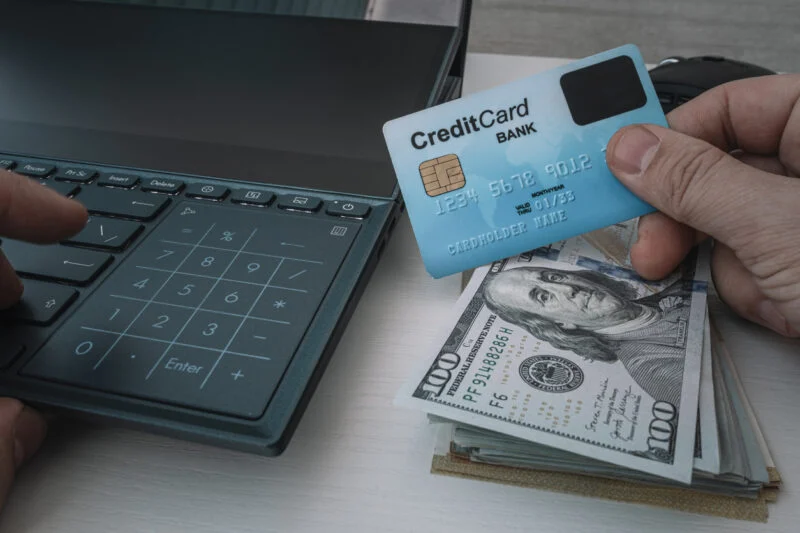
In the modern digital economy, payment cards have become an essential part of everyday financial transactions. From online shopping and travel bookings to subscription services and bill payments, credit and debit cards allow consumers to make purchases quickly and conveniently. However, the growing bclub dependence on electronic payment systems has also led to the rise of cybercrime activities involving stolen financial information. Among the many names mentioned in discussions about underground carding platforms is BClub, which is sometimes described in online forums as a marketplace connected with card data trading. Promotional phrases such as “Get the Premium Treatment with Cards from BClub” often appear in content associated with such platforms.
Understanding what these phrases mean and the context behind them is important for anyone interested in cybersecurity, digital payment safety, and financial fraud prevention. This article explores how carding marketplaces operate, why they promote themselves as premium services, and the broader implications of payment card fraud.
The Growth of Digital Payments
Over the past decade, digital payments have expanded significantly. E-commerce platforms, mobile apps, and international online services have made it easier than ever to complete transactions instantly. Credit and debit cards remain one of the most widely accepted payment methods worldwide.
As businesses moved toward online platforms, the volume of card transactions increased dramatically. While this growth created convenience for consumers, it also expanded the opportunities for cybercriminals to exploit vulnerabilities in payment systems.
Cybersecurity professionals constantly work to strengthen payment technologies, but criminals continue to search for ways to obtain financial data. This ongoing conflict between security improvements and criminal techniques shapes the current landscape of digital finance.
What Carding Marketplaces Are
Carding marketplaces are online platforms where stolen payment card information is traded. These platforms typically operate on hidden networks or restricted websites that require registration to access.
The structure of these marketplaces often resembles legitimate online stores. Users may create accounts, browse categories, deposit funds, and purchase listings through automated systems. Instead of selling physical products, these platforms offer financial information such as credit card numbers, expiration dates, and verification codes.
Platforms like BClub are sometimes described as organized carding networks because they categorize large databases of financial data and present them in searchable formats.
Why Some Platforms Claim “Premium Treatment”
In underground communities, reputation and perceived reliability are extremely important. Because users are anonymous and transactions involve illegal activities, trust is limited. As a result, many marketplaces promote themselves using marketing language designed to suggest higher quality or better service.
Phrases such as “premium treatment,” “elite card database,” or “trusted marketplace” are used to attract attention and create the impression that the platform offers better results than competitors.
Some of the features these platforms may advertise include:
Large inventories of card data from multiple countries
Automated purchasing systems
Search filters that categorize cards by region or bank
Vendor reputation systems and user feedback
Fast transaction processing using digital payments
These elements are intended to make the marketplace appear organized and efficient.
Types of Card Data Found in Underground Markets
Carding platforms often categorize payment card data into different types. Two of the most commonly discussed forms are dumps and CVV2 information.
Dumps refer to data obtained from the magnetic stripe on the back of payment cards. This stripe contains encoded information used in traditional swipe transactions. In some cases, this data can be copied onto blank cards to create cloned cards for physical purchases.
CVV2 refers to the card verification code printed on the back of a credit or debit card. This code is typically required for online transactions and helps verify that the person making the purchase has access to the physical card.
When combined with other details such as the cardholder’s name and billing address, this information can potentially be misused for fraudulent transactions.
How Payment Card Data Is Stolen
The financial data sold in underground markets is usually obtained through various cybercrime techniques. These methods target both individuals and large organizations.
Data Breaches
Large companies sometimes become victims of cyberattacks that compromise their databases. If attackers gain access to payment systems, they may steal large volumes of customer card data.
Point-of-Sale Malware
Retail stores rely on point-of-sale systems to process card payments. Malware installed on these systems can capture card data during transactions and send it to attackers.
Skimming Devices
Skimmers are small devices installed on ATMs or payment terminals that record card information when a customer inserts or swipes their card.
Phishing Attacks
Phishing emails and fake websites attempt to trick individuals into entering their payment information. These scams often imitate legitimate companies to appear trustworthy.
Once this information is collected, it may circulate through several underground networks.
The Role of Cryptocurrency in Underground Transactions
Cryptocurrency has become a widely used payment method in many online underground marketplaces. bclub.tk Digital currencies allow transactions to occur without traditional banking systems, which can provide a degree of privacy for users.
Carding platforms often integrate cryptocurrency wallets into their systems. Users deposit digital currency into their accounts and then use those funds to purchase listings from vendors.
Some platforms also provide escrow services that temporarily hold funds until transactions are completed. These systems are intended to reduce conflicts between buyers and sellers.
Despite the perceived anonymity of cryptocurrencies, every transaction is recorded on the blockchain. Law enforcement agencies increasingly analyze blockchain data to track financial activity connected to cybercrime.
Legal Risks and Consequences
Engaging in activities related to stolen payment card data is illegal in most countries. Laws against financial fraud, identity theft, and unauthorized access to computer systems carry serious penalties.
Individuals caught participating in these activities may face large fines, imprisonment, and permanent criminal records. Governments around the world collaborate to investigate cybercrime networks and shut down illegal marketplaces.
Over time, many underground platforms that once operated openly have been dismantled through coordinated international operations.
Impact on Businesses and Consumers
Payment card fraud affects millions of people worldwide. Consumers who become victims may experience unauthorized transactions, financial stress, and the inconvenience of replacing their cards.
Businesses also face financial losses through chargebacks when fraudulent purchases occur. Too many chargebacks can even lead to payment processors terminating business accounts.
Financial institutions must invest heavily in fraud detection systems, cybersecurity infrastructure, and customer protection programs. These costs ultimately influence the broader financial system.
Improvements in Payment Security
To address the growing threat of fraud, the financial industry has introduced several advanced security technologies.
EMV chip cards generate unique transaction codes for every purchase, making it difficult to clone card information.
Tokenization replaces sensitive card numbers with random tokens during online transactions, protecting the original data.
Two-factor authentication requires users to confirm purchases through additional verification methods, such as a one-time password.
Artificial intelligence-based fraud detection systems analyze transaction patterns and flag suspicious activity immediately.
These innovations have significantly strengthened modern payment security.
Protecting Personal Financial Information
Individuals can reduce their risk of becoming victims of card fraud by following several important practices.
Monitoring bank and credit card statements regularly helps detect suspicious transactions early. Enabling transaction alerts ensures that users receive notifications whenever their cards are used.
Consumers should avoid entering payment information on unknown websites and remain cautious when responding to emails requesting financial details.
Using secure internet connections, strong passwords, and updated device security software can further reduce exposure to cyber threats.
Conclusion
The phrase “Get the Premium Treatment with Cards from BClub” reflects the type of promotional messaging often used within underground carding communities. While such platforms attempt to portray themselves as reliable or high-quality services, their operations are closely linked to illegal activities involving stolen financial data.
Understanding how these networks function helps highlight the importance of strong cybersecurity practices and improved payment technologies. By combining advanced security systems with greater awareness among consumers and businesses, the global financial ecosystem can continue working toward safer and more secure digital transactions.
