


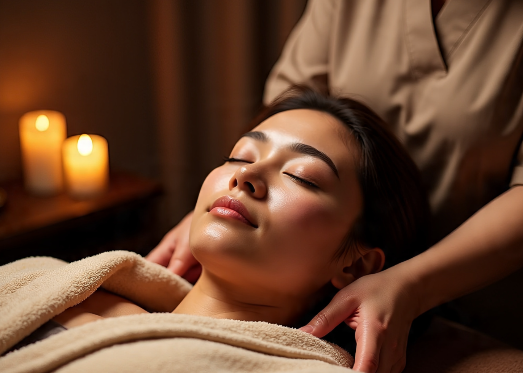
In today’s fast-paced world, stress, anxiety, and physical tension have become commonplace. The constant demands of work, family, and social obligations often leave individuals feeling overwhelmed, mentally fatigued, and physically strained. While many people turn to temporary distractions or stimulants to cope, these methods rarely provide lasting relief. https://www.kakaochuljang.com/jongro Instead, practices that engage both body and mind—like massage therapy—offer a more profound and natural approach to achieving relaxation and inner calm.
Massage therapy is more than a luxury or indulgence; it is a therapeutic practice that reduces physical tension, lowers stress levels, and promotes a sense of tranquility throughout the entire body. By combining skilled touch with techniques that target muscles, connective tissues, and pressure points, massage facilitates deep relaxation that reaches beyond superficial comfort. This article explores how massage therapy promotes relaxation, nurtures inner calm, and contributes to overall mental and physical well-being.
Understanding Relaxation and Inner Calm
Before examining the effects of massage, it is important to understand what deep relaxation and inner calm actually mean. Relaxation is a state in which the body’s muscles, nervous system, and internal processes return to a balanced and low-stress state. Inner calm refers to the psychological component—a feeling of mental peace, reduced anxiety, and clarity of thought. While many activities provide temporary relaxation, achieving a state of deep relaxation requires a combination of physical, mental, and emotional support.
Massage therapy uniquely addresses all three dimensions simultaneously. It engages the body through touch and manipulation, encourages the nervous system to shift toward a restorative state, and promotes mental focus through mindful awareness of the body. This integrated approach allows individuals to experience a profound sense of calm that extends beyond the massage session itself.
Physical Mechanisms Behind Massage-Induced Relaxation
The effects of massage on the body are both immediate and cumulative. When the muscles and fascia are tense, the body sends constant stress signals to the brain, which can increase anxiety, discomfort, and fatigue. Massage alleviates these signals through several mechanisms:
- Reduction of Muscle Tension
Massage techniques such as kneading, stroking, and gentle stretching release tight muscles, decrease stiffness, and restore flexibility. By relieving physical tension, the body can enter a more relaxed state, allowing the mind to follow suit. - Improved Circulation
Massage stimulates blood flow, delivering oxygen and essential nutrients to tissues while facilitating the removal of metabolic waste. Improved circulation helps reduce soreness, supports tissue repair, and promotes an overall sense of vitality, which contributes to relaxation. - Activation of the Parasympathetic Nervous System
Massage triggers the parasympathetic nervous system, the body’s “rest and digest” response. This reduces heart rate, lowers blood pressure, and encourages a state of calm. Unlike temporary distractions, this physiological shift provides lasting relaxation and promotes healing at a cellular level. - Lymphatic System Stimulation
By encouraging lymphatic flow, massage helps remove toxins and excess fluids from the body, reducing inflammation and contributing to a lighter, more relaxed feeling.
Through these physical mechanisms, massage therapy allows the body to release tension, recover from stress, and establish the conditions necessary for deep relaxation.
Mental and Emotional Pathways to Calm
The benefits of massage are not confined to the body; the mind is equally affected. Psychological stress often manifests as muscle tightness, headaches, or fatigue, creating a feedback loop where mental tension increases physical discomfort, which in turn elevates stress. Massage addresses this cycle by promoting:
- Stress Hormone Reduction
Massage reduces levels of cortisol, the hormone associated with stress. Lower cortisol levels decrease anxiety, improve mood, and help the brain enter a more relaxed state. - Release of Endorphins and Serotonin
Endorphins are natural painkillers, while serotonin contributes to feelings of happiness and contentment. Massage stimulates the release of these chemicals, promoting mental calm and emotional balance. - Enhanced Mindfulness and Awareness
During a massage, attention is naturally drawn to breathing, body sensations, and posture. This mindful focus encourages present-moment awareness, reducing intrusive thoughts and fostering a meditative state of relaxation. - Emotional Release
Physical touch can help release pent-up emotions stored in the muscles and connective tissues. Many people experience a sense of emotional relief or clarity after massage, enhancing inner calm.
These mental and emotional effects complement the physical benefits of massage, creating a holistic approach to stress relief and relaxation.
Techniques That Promote Deep Relaxation
Different massage styles can be selected based on individual needs and preferences to encourage deep relaxation and inner calm:
- Swedish Massage
Gentle, flowing strokes combined with kneading and circular movements help relax superficial muscles, improve circulation, and induce a calming effect on both body and mind. - Deep Tissue Massage
While typically more intense, deep tissue massage releases chronic muscle tension and adhesions, providing relief from long-standing stress and physical strain. - Aromatherapy Massage
The combination of massage and essential oils such as lavender, chamomile, or sandalwood enhances relaxation by stimulating the senses and supporting emotional calm. - Hot Stone Massage
Warm stones applied to specific areas relax muscles more deeply, reduce tension, and create a comforting, meditative experience. - Reflexology
Focusing on pressure points in the hands, feet, or ears, reflexology promotes systemic relaxation and restores energy balance throughout the body.
Choosing the right technique depends on individual goals, stress levels, and physical condition. 신림 출장안마 가격 A skilled massage therapist can tailor sessions to maximize both relaxation and mental calm.
Integrating Massage into Daily Wellness
To achieve long-lasting relaxation and inner calm, massage therapy should be integrated into a broader wellness routine. Practical strategies include:
- Regular Sessions
Scheduling consistent appointments—whether weekly or biweekly—prevents tension from accumulating and supports continuous relaxation. - Mindful Breathing
Practicing deep breathing during massage enhances the parasympathetic response, amplifying the calming effect. - Complementary Activities
Yoga, meditation, and gentle stretching enhance flexibility and reinforce the mind-body connection, extending the benefits of massage. - Healthy Lifestyle Choices
Adequate hydration, balanced nutrition, and restorative sleep support the body’s natural ability to relax and maintain calm.
By combining massage with other wellness practices, individuals can cultivate a sustainable, long-term state of physical and mental tranquility.
Long-Term Benefits of Regular Massage
The benefits of regular massage extend far beyond temporary relaxation. Over time, consistent practice can lead to:
- Reduced Chronic Stress
Regular massage lowers baseline stress levels, improving resilience and the ability to cope with daily pressures. - Improved Sleep Quality
Relaxed muscles and a calm nervous system support restorative sleep, enhancing cognitive performance and emotional balance. - Enhanced Mood Stability
Ongoing release of endorphins and serotonin contributes to emotional regulation, reducing irritability, anxiety, and mild depression. - Sustained Physical Comfort
Relief from chronic tension and improved circulation reduce muscle soreness and stiffness, promoting ease of movement and daily comfort. - Overall Holistic Wellness
By simultaneously addressing the physical, mental, and emotional dimensions of stress, massage fosters a balanced, harmonious state that supports overall health and well-being.
Who Benefits Most from Massage-Induced Relaxation
Massage therapy is suitable for anyone seeking physical, mental, and emotional relief, including:
- Professionals Experiencing Workplace Stress
Reduces tension from prolonged sitting, repetitive tasks, and mental pressure. - Students and Young Adults
Improves concentration, reduces anxiety, and provides a restorative mental break. - Athletes and Active Individuals
Supports recovery, alleviates muscle fatigue, and enhances focus. - Caregivers and Parents
Eases the physical and emotional strain associated with demanding responsibilities. - Individuals with Chronic Stress or Fatigue
Promotes long-term relaxation, emotional balance, and mental resilience.
Its versatility and therapeutic effects make massage an essential tool for improving quality of life across all ages and lifestyles.
Conclusion
Massage therapy is a natural and effective method for achieving deep relaxation and inner calm. By addressing both the body and mind, it releases physical tension, improves circulation, regulates the nervous system, and fosters emotional stability. Unlike temporary stress relief methods, massage creates lasting benefits that extend into everyday life, supporting holistic wellness and resilience.
Incorporating massage into a regular wellness routine enhances physical comfort, mental clarity, and emotional balance, allowing individuals to navigate the demands of modern life with greater ease and vitality. Recognizing massage therapy as a therapeutic necessity rather than a luxury empowers people to invest in their health, creating sustainable relaxation, inner calm, and overall well-being.
Ultimately, massage therapy offers a profound and accessible path to restoring balance in both body and mind, enabling individuals to experience a deeper sense of tranquility and a higher quality of life.
