


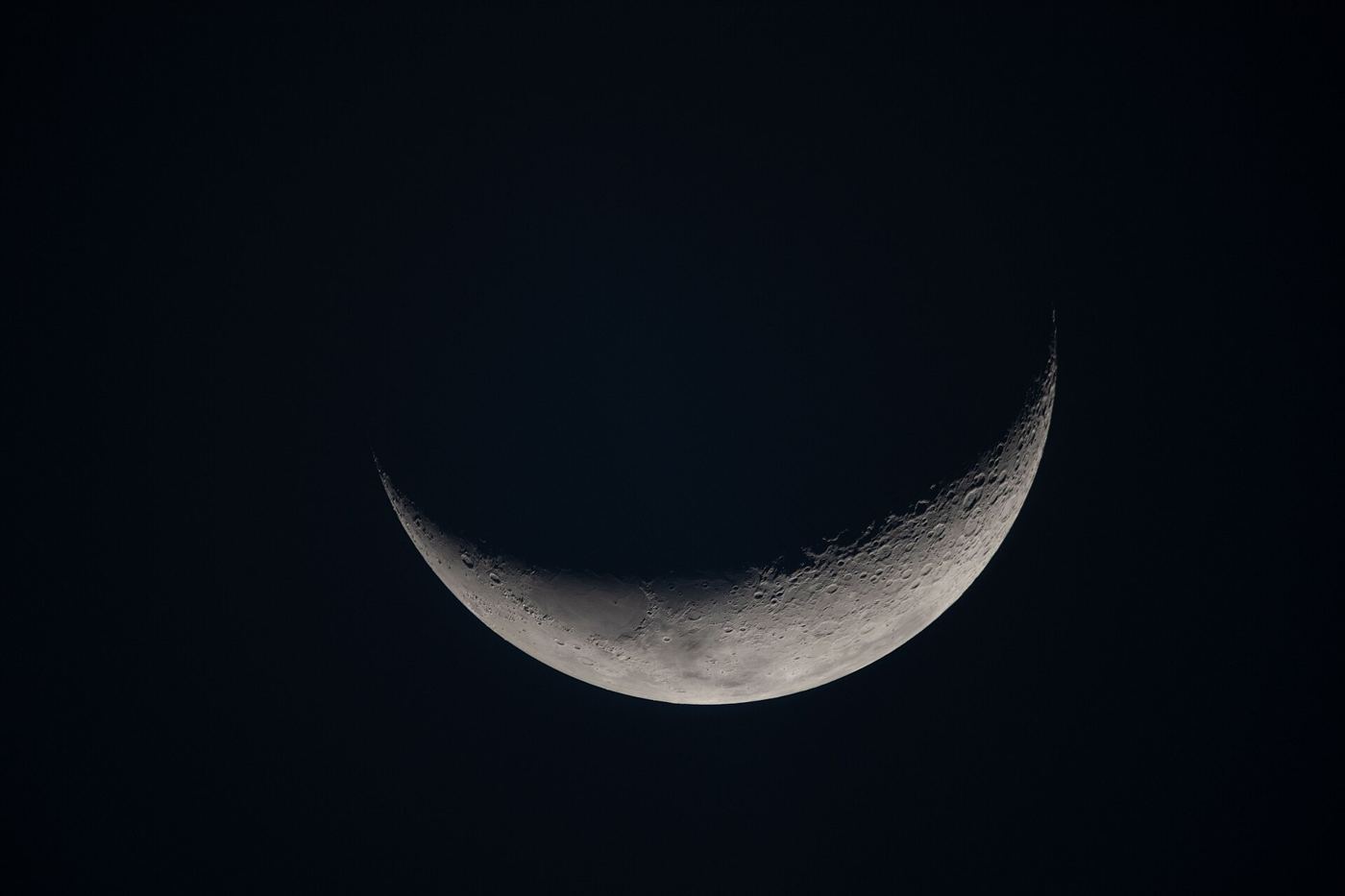
Ice hidden in permanently shadowed craters near the Moon’s south pole could become the most valuable local resource for future lunar bases, scientists say. Unlike most of the lunar surface, which swings between extreme heat and cold, these shadowed pockets stay cold enough for water ice to survive for billions of years. That ice could be melted for drinking water, split into oxygen for breathing and hydrogen for rocket fuel, reducing the need to launch heavy supplies from Earth. Orbital measurements have already detected hydrogen-rich deposits in the region, but researchers still need to confirm how much ice is present, how pure it is and how deeply it is mixed with lunar soil. Robotic missions are therefore targeting crater floors and rims to map deposits at a finer scale before any crewed base commits to a site. The choice of location will shape everything from landing safety to power supply, because nearby peaks may catch near-constant sunlight while valleys remain in darkness.
What the Evidence Shows
Extracting the ice will not be simple, even if the deposits prove large. Specialists following lunar south pole ice say that digging in ultra-cold, powdery soil could damage equipment, while heating the material too quickly might lose water vapour to space. Engineers are testing drills, heaters and sealed processing systems that can work in darkness and at temperatures far below anything encountered on Earth. There are also scientific concerns, since the same ice preserves a record of solar system history and contamination from mining could destroy evidence before it is studied. Planners argue that a careful balance is possible, with protected research sites set aside alongside extraction zones. If those technical and scientific challenges are met, the south pole could turn from a remote frontier into a practical staging point for longer stays on the Moon and journeys further out. Reporting and analysis from sources such as NASA track the same developments, and specialists following lunar south pole ice say the direction is now consistent across independent lines of evidence.
The Wider Context
Funding bodies are watching lunar south pole ice closely because the work sits at the junction of basic curiosity and practical return. Grant panels increasingly ask for a path from discovery to application, while researchers push back that the most valuable uses of fundamental science are rarely the ones written into the original proposal. The tension is productive when both sides stay honest about timescales.
What Happens Next
The long view on lunar south pole ice is that fields advance by accumulation rather than by single announcements. This result adds a solid, checkable piece to a structure many teams are building, and its authors have shared their data so the piece can be tested from every side. That is how the picture eventually becomes reliable enough to act on. You can follow related developments in our coverage of science.
It is also worth remembering how quickly the picture in this area has changed before. Positions that looked settled a few years ago have been revised as new data arrived, and the same humility is appropriate now. The strongest coverage of this subject, and the most useful advice, tends to come from sources that update their views openly when the facts move, rather than defending an earlier position long after it has stopped fitting the evidence available.
