


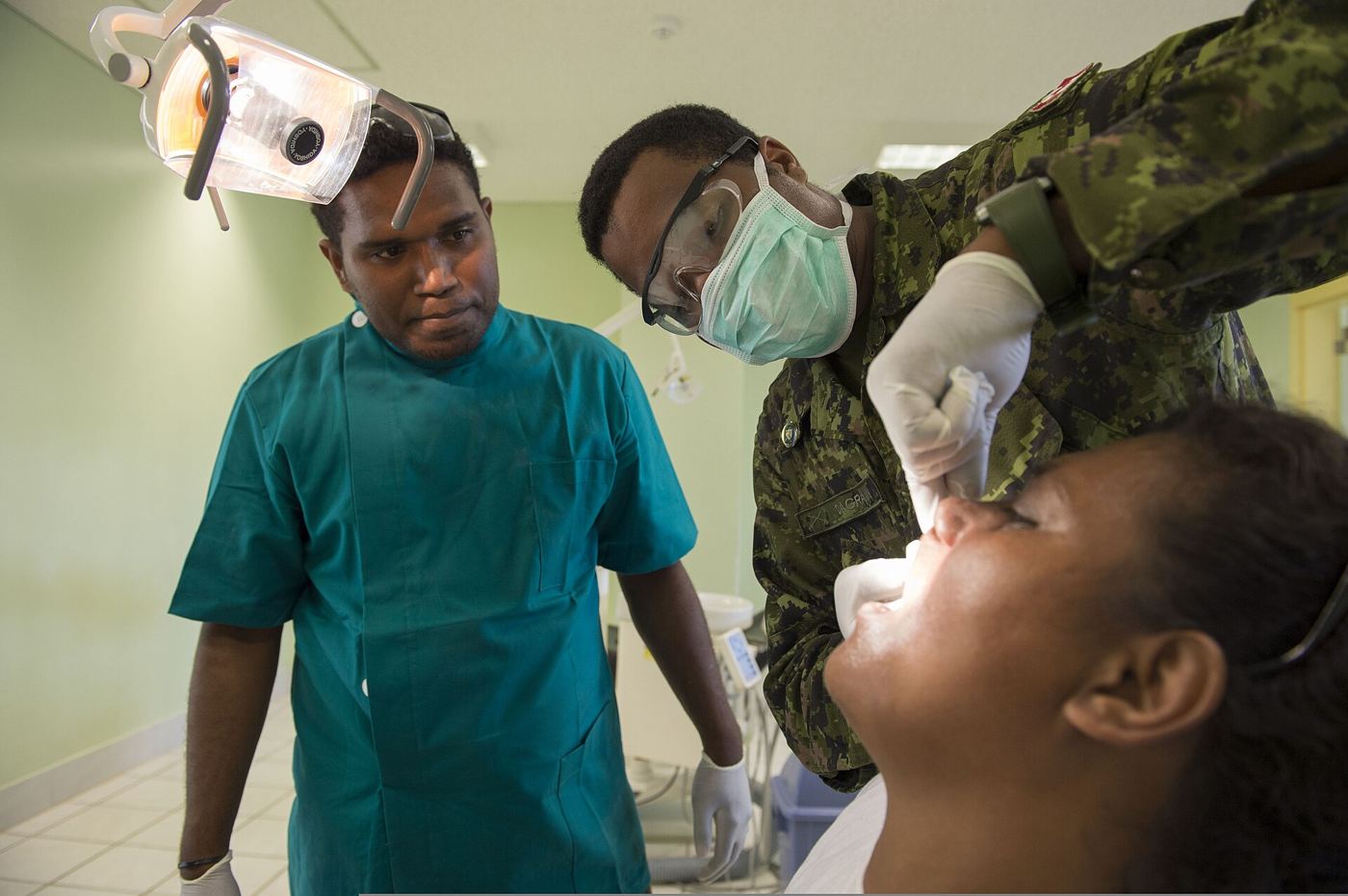
Regular dental check-ups are protecting more than teeth, as dentists spot early signs of gum disease, mouth problems and wider health issues during a routine visit. A check-up is usually quick, yet it covers far more than a look at the teeth: the dentist checks the gums, tongue, cheeks and throat, looks for signs of wear from grinding, and asks about habits such as smoking and sugary drinks. Gum disease, which often causes no pain at first, is linked to heart problems and diabetes complications, so catching it early matters well beyond the mouth. Dentists also check that fillings and crowns are sound, that children are brushing well and that older patients can still manage their dentures comfortably. Many people only visit when something hurts, by which time treatment is more complicated and more expensive. A regular visit, dentists say, turns dental care from emergency repair into simple prevention, with small problems fixed before they grow.
What the Evidence Shows
Experts advise visiting the dentist at the interval they recommend, which may be every six months or once a year depending on individual risk. Brushing twice a day with fluoride toothpaste, cleaning between the teeth and cutting back on sugary snacks and drinks all reduce the work a dentist needs to do. Parents are encouraged to take children for check-ups from an early age, so the visit feels normal rather than frightening. Anyone who feels anxious about dental visits should tell the practice, since dentists can explain each step, allow extra time and offer ways to make the appointment calmer. Cost worries many patients, and practices can explain payment options and which treatments are essential. For most people, a regular dental check-up is a short, low-cost habit that protects the smile and the health behind it. Reporting and analysis from sources such as National Institutes of Health track the same developments, and specialists following regular dental check-ups say the direction is now consistent across independent lines of evidence.
The Wider Context
The wider context is a health system trying to move from treating illness late to preventing it early, against budgets that reward the opposite. Evidence around regular dental check-ups is being weighed by guideline committees that ask two questions in order: does it work, and can ordinary services actually deliver it at scale. Many good ideas pass the first test and stall on the second.
What Happens Next
What happens next for regular dental check-ups depends on the slow machinery of guidelines, funding and training catching up with the evidence. Patients asking about it today should expect honest answers that include uncertainty, and clinicians say a service that explains what is not yet known earns more trust than one that oversells. The research pipeline, at least, is moving in the right direction. You can follow related developments in our coverage of health.
None of this will be settled by a single announcement, study or product launch. The pattern to watch is accumulation: independent confirmations, honest reporting of failures and steady improvement in the underlying numbers. Readers who follow those signals, rather than the loudest claim of the week, will understand this subject better than most of the commentary surrounding it suggests is possible.
