


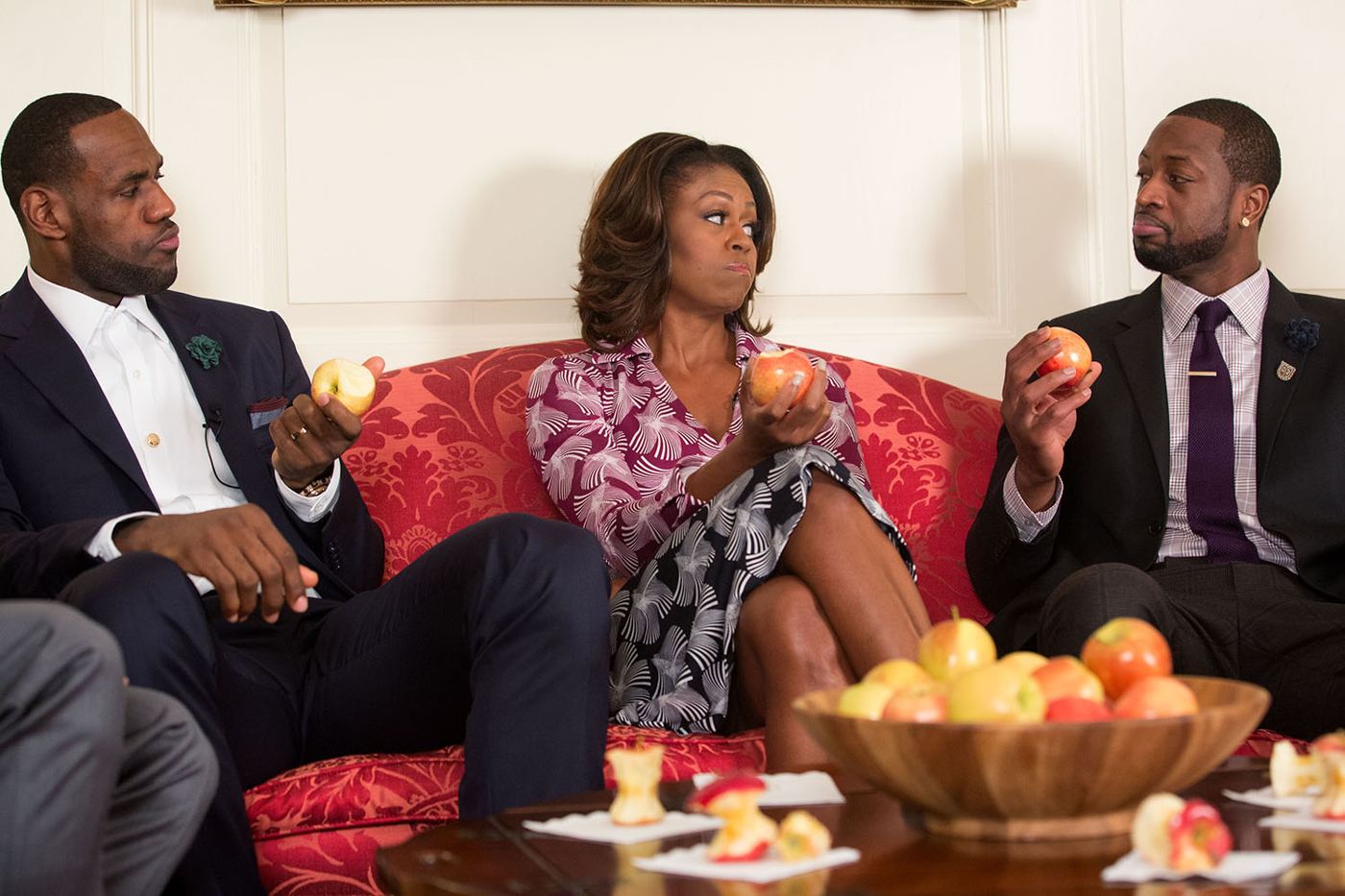
Smarter office snacks are keeping energy steady through the day, as workers swap biscuits and crisps for foods that sustain concentration instead of sending it crashing. The mid-afternoon slump is familiar to many office workers: a sugary snack or a large coffee gives a quick lift, then energy falls further, leaving the rest of the afternoon a struggle. Nutritionists say the problem is the snack itself, since foods high in sugar and refined flour digest quickly and leave blood sugar swinging, while foods rich in protein, fibre and healthy fats release energy slowly. A handful of nuts, a piece of fruit with yoghurt, or wholegrain crackers with cheese can keep energy even for hours, and workers who plan their snacks report better focus and fewer cravings. The change does not require giving up treats entirely, only choosing them more carefully and keeping healthier options within reach. Many workers now keep a small stash in a desk drawer, so a good choice is always easier than a trip to the vending machine.
What the Evidence Shows
Experts suggest preparing snacks in advance, such as portioning nuts into small bags, cutting vegetables for dipping, or keeping fruit on the desk where it is seen first. Drinking water alongside a snack also helps, since thirst is often mistaken for hunger. It is worth reading labels, since many snacks marketed as healthy are high in sugar, and a short ingredients list is usually a good sign. Employers can help by stocking fruit in the office and offering water instead of only sugary drinks. Workers are also advised to eat away from the screen where possible, since mindful eating helps the body register fullness. For office workers, nutritionists say, a smarter snack is a small change with a real payoff: steadier energy, better concentration and a working day that feels easier. Reporting and analysis from sources such as National Institutes of Health track the same developments, and specialists following smarter office snacks say the direction is now consistent across independent lines of evidence.
The Wider Context
The wider context is a health system trying to move from treating illness late to preventing it early, against budgets that reward the opposite. Evidence around smarter office snacks is being weighed by guideline committees that ask two questions in order: does it work, and can ordinary services actually deliver it at scale. Many good ideas pass the first test and stall on the second.
What Happens Next
What happens next for smarter office snacks depends on the slow machinery of guidelines, funding and training catching up with the evidence. Patients asking about it today should expect honest answers that include uncertainty, and clinicians say a service that explains what is not yet known earns more trust than one that oversells. The research pipeline, at least, is moving in the right direction. You can follow related developments in our coverage of health.
None of this will be settled by a single announcement, study or product launch. The pattern to watch is accumulation: independent confirmations, honest reporting of failures and steady improvement in the underlying numbers. Readers who follow those signals, rather than the loudest claim of the week, will understand this subject better than most of the commentary surrounding it suggests is possible.
